





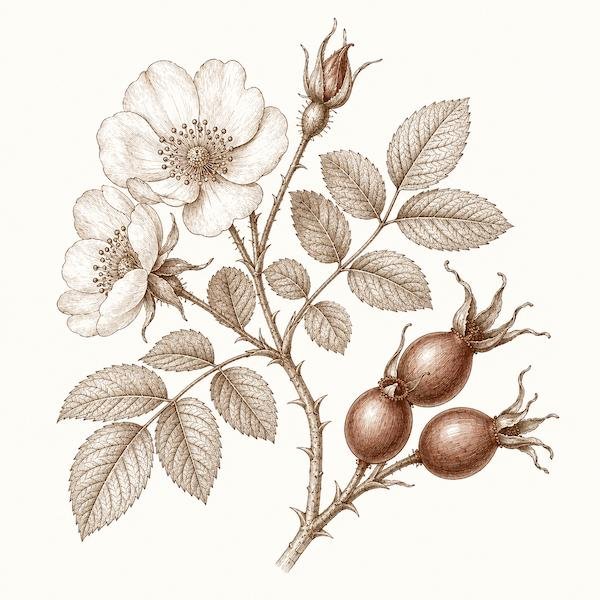

A lightweight, fast-feeling facial oil known for its rich fatty acid profile and its ability to leave skin feeling soft, smooth, and conditioned.
Why people choose rosehip oil for lightweight facial care.
Helps leave dry, rough-feeling skin softer and more comfortable.
Helps skin feel smoother and more conditioned without a very heavy oil layer.
Naturally contains linoleic and alpha-linolenic fatty acids that contribute to its distinctive composition.
Its light-to-medium texture makes it especially popular in face oils and skincare blends.
Botanical name: Rosa canina / Rosa rubiginosa
Plant part: Seeds
Oil type: Carrier oil
Texture: Light to medium, dry-feeling
Absorption: Medium-fast
Scent: Mild, earthy, slightly nutty
Common uses: Face, neck, dry-feeling skin, facial oil blends, and targeted skincare
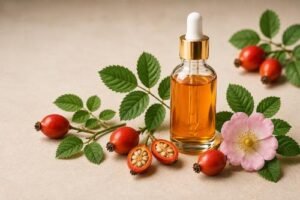
Rosehip oil is a botanical oil pressed from the seeds found inside the fruit of certain rose species.
Unlike rose essential oil, which is produced from rose petals and is highly aromatic, rosehip oil comes primarily from the seeds and has a very different composition and use.
It is especially popular in facial skincare because of its lightweight texture, naturally rich fatty acid profile, and relatively dry-feeling finish.
Rosehip oil is commonly used on its own or blended into facial oils, moisturizers, and other skin-conditioning products.
Rosehip oil contains a high proportion of polyunsaturated fatty acids, particularly linoleic and alpha-linolenic acids.
This gives it a lighter, less coating feel than richer oils such as castor or sweet almond oil.
Its composition also makes it more sensitive to oxidation than highly stable oils such as jojoba, so careful storage is especially important.
Rosehip oil comes from the seeds of rosehips — the small fruits that form after certain rose flowers are pollinated.
Species commonly used for rosehip oil include Rosa canina and Rosa rubiginosa.
Rosehips have a long history of traditional use in food and personal care, and rosehip seed oil later became a popular cosmetic ingredient, particularly in facial skincare.
The finished oil can vary in color, scent, and composition depending on rose species, growing conditions, extraction method, and refining.
Rosehip oil is composed mainly of triglycerides rich in polyunsaturated fatty acids.
Its fatty acid profile is one of the main reasons it feels lighter and drier than many richer botanical oils.
| Fatty Acid | Typical Range | What It Contributes |
|---|---|---|
| Linoleic acid | 35–55% | A major polyunsaturated fatty acid that contributes to rosehip oil’s lighter, less greasy feel. |
| Alpha-linolenic acid | 20–35% | Helps give rosehip oil its distinctive polyunsaturated fatty acid profile and lightweight texture. |
| Oleic acid | 12–20% | Adds softness, spreadability, and conditioning. |
| Palmitic acid | 3–7% | Adds body and contributes to the overall emollient feel. |
| Stearic acid | 1–4% | Contributes to softness and texture. |
Exact fatty acid composition varies by rose species, growing conditions, extraction method, and processing.
Rosehip oil may also contain naturally occurring tocopherols, carotenoids, and other minor plant compounds.
Cold-pressed, less-refined rosehip oil often has a deeper golden-orange or reddish color, while refined versions may appear lighter.
Because rosehip oil is rich in polyunsaturated fatty acids, it is generally more sensitive to heat, light, and air than jojoba oil.
Keep the bottle tightly closed and stored away from excessive heat and direct sunlight.
Rosehip oil is most commonly used in facial and targeted skin-care routines. Start with only a few drops – its light texture spreads easily.
Apply 2-3 drops after a water-based serum or moisturizer.
Best used: morning or evening
Massage a small amount over the neck and upper chest after moisturizer.
Best used: as part of your regular facial routine
Apply a few drops to small areas that feel dry or rough.
Best used: after moisturizing
Mix rosehip with jojoba, argan, or another carrier oil to adjust richness and texture.
Best used: when you want a customized facial oil.
Patch test before first use. Avoid direct contact with the eyes and discontinue use if irritation occurs. Because rosehip oil oxidizes more easily than highly stable oils, pay attention to changes in scent or appearance over time.
| Oil | Texture & Feel | Absorption Feel | Best For | How It Differs from Rosehip Oil |
|---|---|---|---|---|
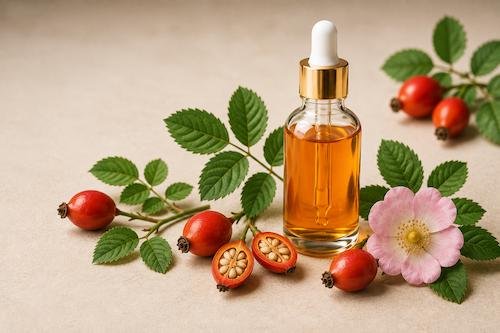
Rosehip Oil
|
Light to medium, dry-feeling | Medium-fast | Facial care, neck, dry-feeling skin, and lightweight facial blends | A lightweight facial oil with a relatively dry-feeling finish and a naturally rich polyunsaturated fatty acid profile. |
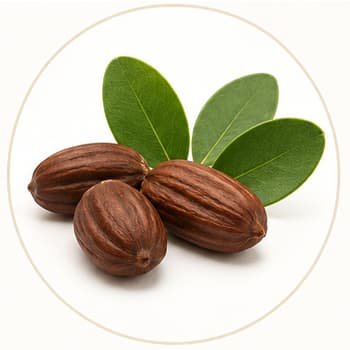
Jojoba Oil
|
Light to medium, silky, wax-like | Medium-fast | Face, scalp, hair, beard, body, nails, and everyday use | Feels silkier and is more oxidation-stable, while rosehip has a drier feel and is more commonly used in facial care. |
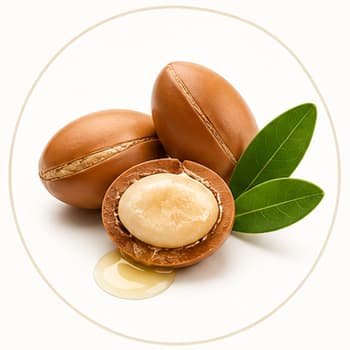
Argan Oil
|
Medium, smooth, slightly rich | Medium | Dry-feeling skin, hair, shine, nails, and cuticles | Richer and more cushioning; rosehip feels lighter and less coating. |

Grapeseed Oil
|
Very light, thin, silky | Fast | Lightweight skincare, hair, scalp, massage, and oil blends | Thinner and faster-feeling, while rosehip has slightly more body and is more closely associated with facial care. |
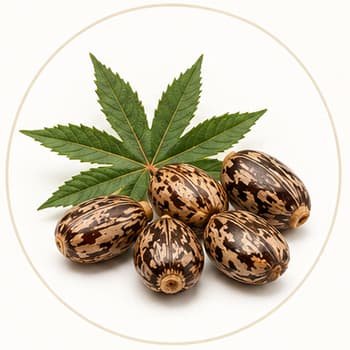
Castor Oil
|
Very thick, rich, glossy | Very slow | Hair, scalp, brows, nails, cuticles, and targeted dry-feeling areas | Much thicker and more coating; rosehip is dramatically lighter and better suited to lightweight facial use. |
Rosehip + Jojoba
Creates a balanced facial blend with improved stability and a silky finish.
Rosehip + Argan
Makes a slightly richer facial oil.
Rosehip + Grapeseed
Creates a very lightweight, fast-feeling blend.
Rosehip oil is a botanical carrier oil pressed from the seeds found inside rosehip fruits. It is commonly used in facial skincare because of its light-to-medium texture, relatively dry-feeling finish, and naturally high proportion of polyunsaturated fatty acids.
No. Rosehip oil and rose essential oil come from different parts of the plant and are used differently. Rosehip oil is generally pressed from the seeds and used as a carrier oil, while rose essential oil is produced from rose petals and is far more concentrated and aromatic.
Rosehip oil is especially popular for facial use because it spreads easily and usually feels lighter than richer oils such as castor or sweet almond oil. Apply a small amount after moisturizer or other water-based skincare, and adjust based on how your skin responds.
Not directly. Oils do not add water to the skin. Rosehip oil works mainly as an emollient, helping soften the skin and reduce the feeling of dryness. For hydration, use it after a water-based serum or moisturizer to help support a softer, more conditioned feel.
Usually after moisturizer. Apply your water-based products first, followed by moisturizer, and then smooth 2–3 drops of rosehip oil over the skin as the final oil step. This helps avoid replacing the water-based hydration your skin needs with oil alone.
Yes, if it suits your skin. Some people enjoy using it daily, while others prefer it only a few times per week. Start with a small amount and pay attention to how your skin feels, especially if you are new to facial oils.
Store rosehip oil tightly closed and away from direct sunlight, excessive heat, and moisture. Because it contains a relatively high proportion of polyunsaturated fatty acids, it is more sensitive to oxidation than highly stable oils such as jojoba. A cool, dark storage area is best.
Yes. Rosehip oil blends easily with other carrier oils. Jojoba can make the blend feel silkier and more stable, argan adds a little more richness, and grapeseed creates an even lighter, faster-feeling blend. The best combination depends on the texture you prefer.
Remember: Start with a small amount and adjust based on how your skin responds.
Beauty oils, decoded.
A clean, practical guide to beauty oils, what they are, how they work, and how to use them for skin, hair, scalp, body, and nails.
Independent educational content.
Some articles may include affiliate links.
© 2026 Mirshka Botanica. All rights reserved. Educational content only. Not medical advice.