

BODY AREA GUIDE
A practical guide to choosing hair oils by texture, hair feel, dryness, shine, frizz, and everyday use – so you can find oils that fit your hair and routine.
Hair does not absorb oils in the same way skin does. Most beauty oils work mainly by coating the hair shaft, helping reduce the feel of dryness, improve slip, smooth rough-looking strands, and add shine.
The right oil depends heavily on hair texture and where you plan to use it. Fine hair may feel weighed down by oils that work beautifully on thick, coarse, curly, or very dry hair.
How much you use matters just as much as which oil you choose. A single drop may be enough for fine ends, while thicker or drier hair may benefit from a richer pre-wash treatment.
Hair can feel dry, rough, frizzy, dull, tangled, or weighed down depending on its texture, condition, styling habits, climate, and washing routine.
The right oil should match both your goal and your hair type.

Helps dry or rough-feeling strands feel smoother and more conditioned.

Helps coat flyaways and rough-feeling strands for a more polished appearance.

Adds a smoother surface finish that can make hair look glossier and healthier.

Useful for ends that feel brittle, rough, or more damaged than the rest of the hair.

Can make hair easier to detangle and reduce the dry, dragging feel between strands.

Some oils work well as part of a scalp massage or richer treatment before shampooing.
FIND WHAT WORKS FOR YOU
Different oils suit different hair textures and routines. Some work best as lightweight finishing oils, while others are more useful for richer pre-wash treatments.
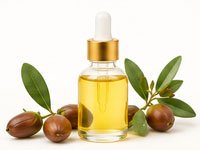
A lighter, silky oil that works well for both hair lengths and scalp routines without feeling as heavy as richer oils.
Best for: everyday use, scalp, lightweight conditioning
Texture: light-medium, silky
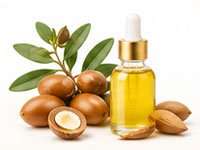
A smooth, medium-weight oil that works especially well on dry ends, frizz, and hair that needs softness and shine.
Best for: dry ends, shine, frizz, softness
Texture: medium, silky
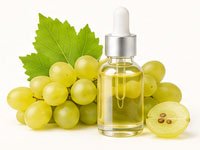
A thin, lightweight oil suited to fine hair or routines where a less-heavy finish is preferred.
Best for: fine hair, lightweight shine, oil blends
Texture: very light, fast-feeling
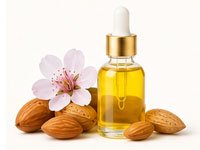
A softer, more cushiony oil that works well for dry, coarse, or textured hair.
Best for: dry hair, softness, pre-wash treatments
Texture: medium, smooth
CHOOSE WHAT YOUR HAIR NEEDS
There is no single best oil for every hair type. Choose based on how your hair feels and what you want the oil to do.
Best if your hair is fine or easily weighed down.
Best if your ends feel rough, dry, or less flexible.
Best if your hair feels rough or looks less polished.
Best for thick, coarse, curly, or very dry-feeling hair.
Best when you want an oil for massage before washing.
Best if even small amounts of oil can make your hair look flat or greasy.
HAIR OIL ROUTINE
The amount and placement of oil matter more with hair than almost anywhere else.
Apply oil to the driest parts of the hair first, usually the mid-lengths and ends.
Start with 1-2 drops for fine or medium hair. Rub between your palms before applying.

Use on damp hair for conditioning or on dry hair for shine and smoothing.

For richer care, apply more generously before shampooing and leave on for 20-60 minutes.
Tip: If your hair looks greasy or flat after using oil, the first solution is usually to use less – not necessarily to change oils.
GOOD TO KNOW
Even a good oil can make hair look greasy or flat when too much is applied.
Unless you are doing a scalp or pre-wash treatment, concentrate most oil on the lengths and ends.
A very rich oil may be popular but still be too heavy for fine hair.
Oil does not add water to hair. It mainly coats, conditions, and helps reduce the feel of dryness.
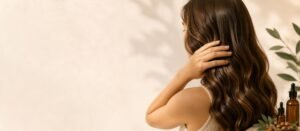
Argan, jojoba, and sweet almond oil are useful options when hair feels dry or rough. The best choice depends on how rich a texture your hair can comfortably handle.
Yes, but daily use usually requires a very small amount. Fine hair may need only one drop on the ends, while thicker or drier hair may tolerate more.
Both can work. Damp hair is useful when you want conditioning and easier spread, while dry hair is often better for finishing, smoothing, and shine.
Yes. Some oils can be used for scalp massage or pre-wash treatments. Use a small amount and shampoo thoroughly afterward.
Grapeseed and jojoba are good starting points because they feel lighter than oils such as castor or sweet almond.
No. Oil can temporarily make split or rough ends look smoother and feel softer, but it cannot permanently repair a split hair shaft.
Find more guides for using beauty oils on different areas of the body, from hair and scalp to lips, hands, and nails.
Browse guides by body area and discover where beauty oils can fit into your routine.
Explore oils for daily facial care, softness, dry-feeling skin, and lightweight beauty routines.
Discover oils often used for scalp massage, comfort, and healthy-looking hair care.
Beauty oils, decoded.
A clean, practical guide to beauty oils, what they are, how they work, and how to use them for skin, hair, scalp, body, and nails.
Independent educational content.
Some articles may include affiliate links.
© 2026 Mirshka Botanica. All rights reserved. Educational content only. Not medical advice.