

BODY AREA GUIDE
A practical guide to choosing facial oils by texture, skin feel, daily use, and comfort — so you can find oils that support soft, balanced, healthy-looking skin.
Facial skin is one of the most exposed areas of the body. It comes into contact with cleansing products, weather changes, makeup, sunscreen, pollution, and daily touch more often than many other areas. Because of this, face oils need to be chosen with more attention to texture, comfort, and how they fit into a daily routine.
Unlike body areas where richer oils may feel comfortable, facial skin often needs a more balanced approach. An oil that feels beautiful on the body or hair may feel too heavy on the face, especially for oily-feeling, congested, or sensitive skin types.
The best face oil is not simply the richest oil. It is the oil that feels right on your skin, supports softness and comfort, and works well with the rest of your routine — whether you use it alone, over a serum, or as the final step after moisturizer.
Facial skin can feel dry, oily, tight, dull, sensitive, or comfortable depending on your skin type, climate, cleansing habits, and daily routine. The right face oil should match what your skin needs most — not just what sounds popular.

Helps soften dry-feeling or tight skin and leaves the face feeling more comfortable after cleansing.

Useful when facial skin needs lightweight moisture without a heavy or greasy finish.

Helps the skin look fresher and more radiant by adding a soft, smooth-looking finish.

Supports a more comfortable skin feel, especially when the face feels dry, rough, or stressed from daily cleansing.

Can help soften the feel of rough patches and make the skin surface look smoother.

Best for routines where the oil needs to feel comfortable under moisturizer, sunscreen, or makeup.
FIND WHAT WORKS FOR YOU
Every skin is different. Explore popular face oils and what makes each one useful for facial routines, from lightweight daily care to richer support for dry-feeling areas.
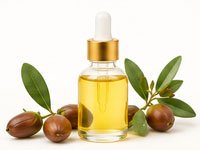
A balanced, silky-feeling oil that works well for daily facial routines and most skin types.
Best for: daily care, balance, lightweight moisture
Texture: light-medium, silky
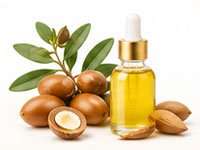
A smoother, slightly richer oil often used when facial skin feels dry, tight, or less comfortable.
Best for: dry-feeling skin, softness, glow
Texture: medium, smooth

A very light oil that can feel comfortable in routines where a fast, less-heavy finish is preferred.
Best for: lightweight feel, oily-feeling skin, daily use
Texture: very light, fast-feeling
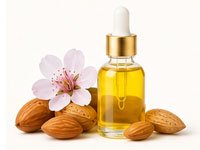
A soft, cushioned oil often chosen for a more comforting feel on dry-feeling or sensitive-feeling skin.
Best for: softness, dry-feeling skin, comfort
Texture: light-medium to medium
CHOOSE WHAT YOUR SKIN NEEDS
There is no single best face oil for everyone. The right choice depends on your skin type, your main goal, the texture you prefer, and how your skin feels throughout the day.
Best if your skin feels dry, tight, or uncomfortable after cleansing.
Best if you want moisture without a heavy or oily-feeling finish.
Best if your skin looks dull or you want a softer, healthier-looking glow.
Best if your skin feels rough, uneven, or less smooth than usual.
Best if your skin feels easily stressed, dry-feeling, or sensitive-feeling.
Best for very dry patches or small areas that need a richer, more coating oil.
FACE OIL ROUTINE
Face oils work best when the amount, timing, and layering fit your skin. A few simple steps can help the oil feel more comfortable and work better with the rest of your routine.
Apply after cleansing. Slightly damp skin can help facial oils spread more evenly.

For most people, 1-3 drops is enough. Start small and add more only if needed.

Warm the oil between your hands and gently press it onto the face and neck.

Use alone, mix with moisturizer, or apply as a final comfort step depending on your skin and the oil texture.
Tip: Face oils are usually best in small amounts. If your skin feels heavy or greasy after application, use less or switch to a lighter oil.
GOOD TO KNOW
Face oils are simple to use, but a few small habits can make them feel too heavy or less comfortable than expected.
More oil does not always mean better results. Start with a small amount and add more only if needed.
The best face oil is not always the trendiest one. Choose an oil that matches your skin feel, texture preference, and routine.
Try a small amount first, especially if your skin is sensitive or you are using a new oil for the first time.
Thicker oils may be better for targeted dry-feeling areas, not always for full-face daily use.
Simple answers to common questions about using face oils in a daily routine.

Yes, many people can use face oil daily. The best frequency depends on your skin, the oil you choose, and how your skin feels after application.
Face oil is often used after water-based serums and moisturizer, or mixed with moisturizer. If you use sunscreen in the morning, apply sunscreen as the final step.
Start with 1-3 drops for the whole face. If your skin still feels dry, you can add a little more. If it feels greasy or heavy, use less.
Yes, but texture matters. Lighter oils such as jojoba or grapeseed may feel more comfortable than richer oils.
Use fewer drops, apply it only at night, mix it with moisturizer, or switch to a lighter oil.
Yes. Mixing one or two drops with moisturizer can make the oil easier to spread and more comfortable for daily use.
Find more guides for using beauty oils on different areas of the body, from hair and scalp to lips, hands, and nails.
Browse guides by body area and discover where beauty oils can fit into your routine.
Explore oils commonly used for shine, softness, dry ends, and everyday hair care routines.
Discover oils often used for scalp massage, comfort, and healthy-looking hair care.
Beauty oils, decoded.
A clean, practical guide to beauty oils, what they are, how they work, and how to use them for skin, hair, scalp, body, and nails.
Independent educational content.
Some articles may include affiliate links.
© 2026 Mirshka Botanica. All rights reserved. Educational content only. Not medical advice.