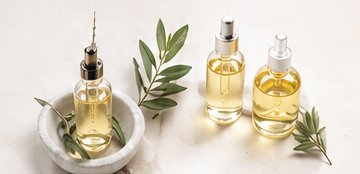



The right oils can help support your skin’s moisture balance, soften dry-feeling areas, and leave skin looking smooth, comfortable, and healthy.
Hydration is about helping skin feel soft, supple, and comfortable. While oils don’t add water to the skin, they can help reduce moisture loss and support the skin barrier — especially when applied after water-based skincare.
Helps reduce moisture loss and keep skin feeling soft.
Supports the skin’s natural protective barrier.
Helps rough or dry-feeling skin feel smoother and more comfortable.
Leaves skin looking nourished, fresh, and balanced.
These oils are especially loved for helping skin feel soft, nourished, and comfortable.
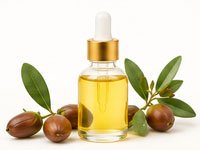
Lightweight and balancing, jojoba helps soften the skin and support its natural moisture barrier without feeling heavy.
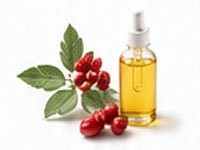
Rich in essential fatty acids, rosehip oil helps nourish dry-feeling skin and supports a smoother, more supple appearance.
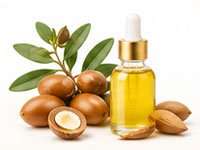
A nourishing yet silky oil that helps soften the skin and improve the feel of dryness and rough texture.
Lightweight and fast-absorbing, squalane helps reduce moisture loss and leaves skin feeling smooth and comfortable.
A richer oil packed with naturally occurring antioxidants and fatty acids that helps nourish and soften dry-feeling skin.
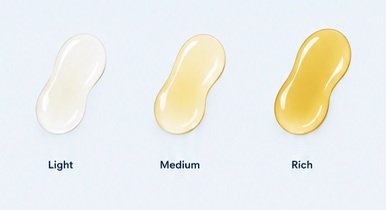
The best texture depends on your skin type, climate, and how much richness you prefer.

Fast-absorbing and lightweight. Great for oily, combination, or mildly dehydrated skin.

Offer more nourishment while still feeling comfortable on the skin. Ideal for normal to dry skin.

More cushioning and protective. Best for very dry areas or when your skin needs extra comfort.
Oils work best when there is already some moisture on the skin to help seal in.

A few drops are usually enough. More oil doesn’t necessarily mean more hydration.

Oils help lock in moisture but don’t replace hydrating ingredients or water-based skincare.

Very rich oils may feel uncomfortable if your skin prefers lighter textures.

Simple answers to common questions about using face oils in a daily routine.
Jojoba, squalane, argan, and rosehip are all popular choices. The best option depends on how light or rich you prefer your skincare to feel.
Yes. Lightweight oils can help support the skin barrier without necessarily feeling greasy. Use only a few drops.
Either works. Many people prefer richer oils at night and lighter oils during the day.
Yes. Apply hyaluronic acid or another water-based serum first, then use oil afterward to help reduce moisture loss.
It depends on the oil and your individual skin. If you’re prone to congestion, start with lighter oils and introduce them gradually.
Skin can feel softer fairly quickly, while improvements in overall comfort and texture are usually best judged with consistent use.
Explore gentle oils for skin that feels dry, sensitive, or easily irritated.
Beauty oils, decoded.
A clean, practical guide to beauty oils, what they are, how they work, and how to use them for skin, hair, scalp, body, and nails.
Independent educational content.
Some articles may include affiliate links.
© 2026 Mirshka Botanica. All rights reserved. Educational content only. Not medical advice.